
Enterprise Resource Planning (ERP) systems have long served as the financial backbone of the modern enterprise. But in a rapidly evolving business environment—shaped by digital acceleration, shifting supply chains, and rising compliance pressures—legacy ERP platforms are no longer sufficient. To maintain control, agility, and insight, CFOs are embracing modernization not as a wholesale rip-and-replace effort, but as a strategic transformation aimed at unlocking targeted value.
Why Modernize ERP Systems?
ERP modernization isn’t just about keeping up with technology—it’s about closing operational gaps, reducing risk, and enabling better decisions. Many finance teams still rely on heavily customized on-premise systems, spreadsheet workarounds, and manual integrations across business units. These outdated environments limit scalability, delay financial reporting, and introduce avoidable compliance exposure.
Modern ERP platforms offer standardized data models, real-time process orchestration, and native integration capabilities—enabling a more connected and resilient financial ecosystem.
Strategic Drivers for Modernization
Several forces are pushing finance leaders to reevaluate their ERP landscape:
- Changing regulatory requirements: New ESG disclosure rules, tax compliance mandates, and global reporting standards are easier to manage within modern ERP environments.
- Operational complexity: Multi-entity, multinational organizations need better visibility and automation across subsidiaries, currencies, and jurisdictions.
- Cloud scalability: Cloud-based ERP solutions allow businesses to scale and pivot faster than traditional on-prem systems, without infrastructure constraints.
- Real-time analytics: Delayed data aggregation hampers agile decision-making. Modern ERP systems offer embedded analytics, AI-driven forecasting, and faster close cycles.
Targeted Transformation vs. Full Replacement
A common misconception is that ERP modernization requires a full-scale system overhaul. In reality, many organizations are pursuing modular, targeted upgrades aligned to priority outcomes—often starting with finance and procurement.
Examples include:
- Deploying a modern AP automation layer over a legacy ERP to digitize invoice intake, routing, and approval
- Integrating AI-based spend analysis tools that draw from ERP data but don’t require core system changes
- Replacing a custom-built intercompany module with a cloud-native engine that automates eliminations and supports regulatory audit trails
These focused investments deliver tangible ROI without disrupting the broader ERP infrastructure.
Benefits of ERP Modernization for Finance
A modern ERP environment enhances the finance function’s ability to:
- Accelerate financial close through automation, validation rules, and real-time reconciliations
- Improve compliance and audit readiness via embedded controls and version-tracked workflows
- Enable centralized reporting across entities, geographies, and business lines
- Support advanced planning with AI-driven forecasting and scenario modeling
- Reduce manual work through no-code configuration, bots, and smart workflows
The result is a finance team that spends less time gathering data—and more time analyzing it.
Considerations When Planning an ERP Modernization
While the benefits are clear, ERP modernization requires thoughtful planning. Key considerations include:
- Data readiness: Clean, structured, and consistently governed data is critical to ERP success; poor data hygiene can derail modernization efforts
- Integration strategy: Identify dependencies on other platforms (CRM, SCM, HCM) and assess integration maturity
- User adoption: New systems often fail due to poor change management. Prioritize training, communication, and usability
- Phased rollout: Begin with high-impact functions (like AP, GL, or reporting) before expanding across the enterprise
- Vendor alignment: Ensure your ERP roadmap aligns with vendor release cycles, support timelines, and innovation track
How oAppsNET Helps
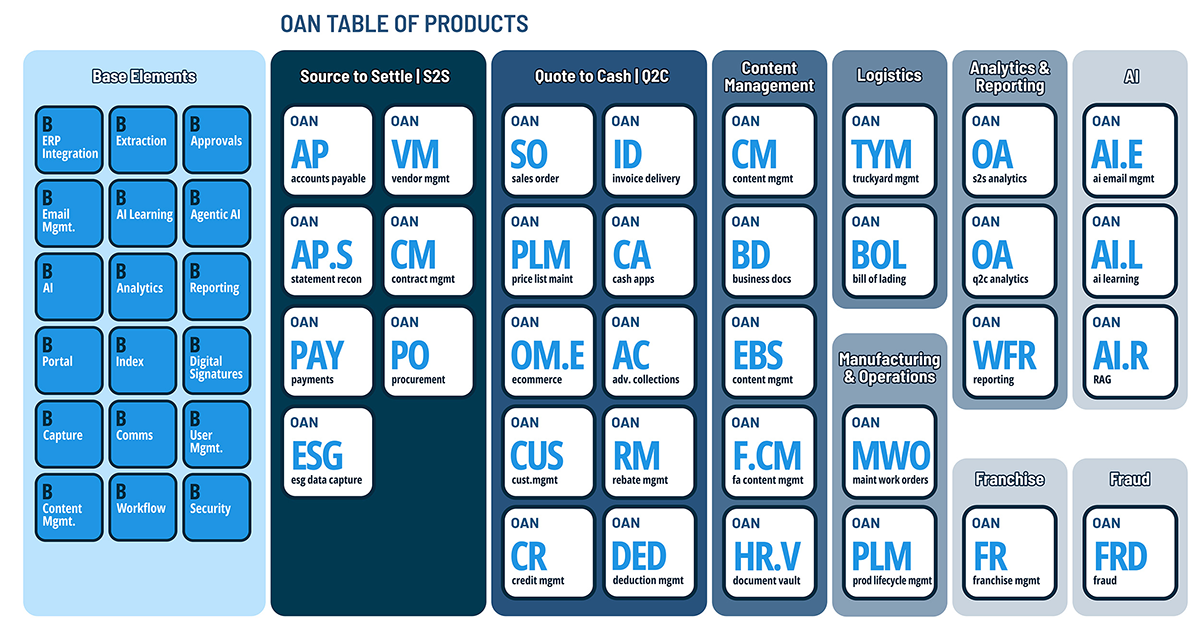
oAppsNET works with finance teams to modernize ERP platforms, reducing disruption and delivering measurable value. We help clients extend the value of their existing systems while preparing for what’s next—whether that’s Oracle or a hybrid architecture.
ERP modernization isn’t a technology project—it’s a finance strategy. By identifying specific gaps and applying targeted transformations, CFOs can turn ERP from a maintenance burden into a value-creation engine. In a world where finance needs to be fast, data-driven, and resilient, modern ERP platforms provide the structure to make that vision real. Let’s take the first steps together.