Platform Monitoring
Bring costs, performance, security, and operations into a single, real-time view. Stop chasing problems and start preventing them. OAN Platform Monitoring deploys seamlessly across any OCI environment.
Cloud Environments Are More Complex Than Ever.
Multiple platforms, rising costs, increasing security risks, and constant pressure to ensure uptime. Teams are stuck stitching together data from disconnected tools. The result: limited visibility, reactive decision-making, and wasted resources.
Limited visibility
Data scattered across disconnected tools makes it impossible to see the full picture.
Reactive decision-making
Teams discover problems after they impact users, not before.
Rising cloud costs
Underutilized resources and lack of spend visibility erode your budget.
Security exposure
Risks go undetected without centralized monitoring and prioritization.
With OAN, You’ll Get Everything You Need to Monitor Your Cloud
Costs, security, infrastructure, and compliance in one unified platform.
Cost & Usage Analytics
Real-time visibility into cloud spending. Identify inefficiencies, optimize resources, and control costs with detailed daily breakdowns by service.
Security Posture
Cloud Guard integration detects and prioritizes risks in real time. Actionable remediation steps with severity classification.
Infrastructure Health
Monitor autonomous databases, DB systems, compute instances, load balancers, and object storage from a single dashboard.
Identity & Compliance
Certificate expiry tracking, password monitoring, and compliance status across your entire OCI and Azure environment.
Instance Management
Track all OCI instances with state, shape, OCPU count, memory, and creation details. Running and stopped instances at a glance.
Database Monitoring
Autonomous databases and DB systems with status, auto-scaling, maintenance windows, backup retention, and node availability.
Maintenance Tracking
Centralized lifecycle tracking with real-time visibility into maintenance events, schedules, and system changes.
Portable Deployment
Deploys across any OCI environment without code changes. Secure configuration management with minimal setup parameters.
From Reactive Firefighting to Proactive Optimization
Reduction in cloud spend
Improvement in operational efficiency
Faster incident response times
Reduction in security risk exposure
The Monitoring Experience
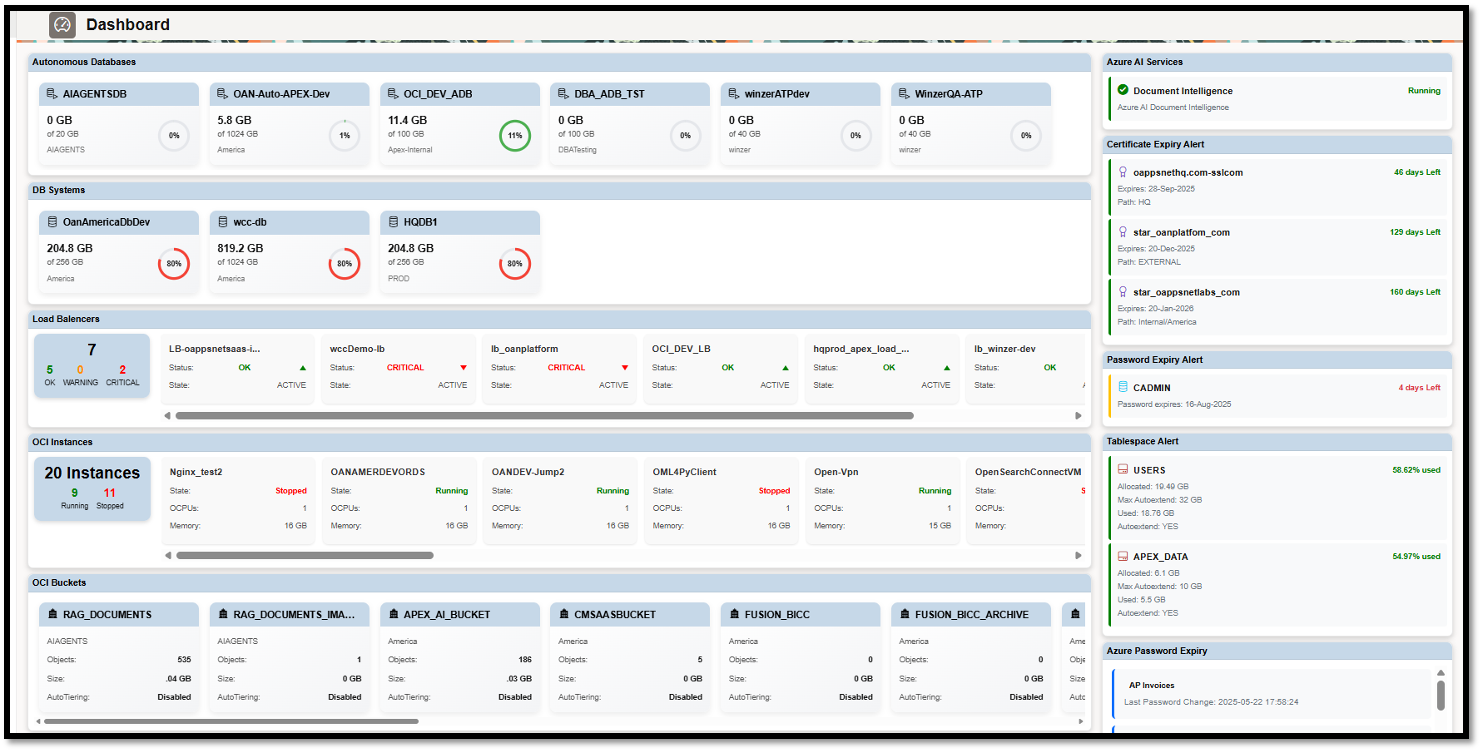
Unified Infrastructure Dashboard
See your entire OCI environment at a glance. Autonomous databases, DB systems, compute instances, load balancers, object storage, and AI services, all consolidated in one real-time view with health indicators, capacity tracking, and expiry alerts.
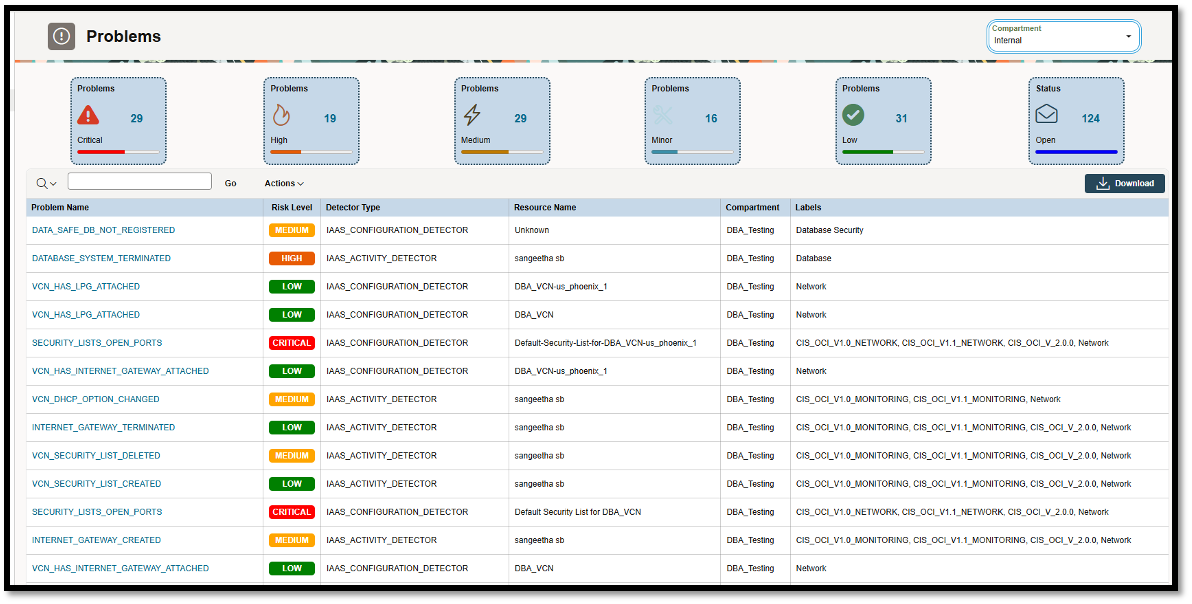
Security Posture and Risk Prioritization
Cloud Guard integration classifies problems by severity: Critical, High, Medium, Minor, and Low. Each issue includes detector type, resource name, compartment, and compliance labels. Your team resolves the highest-impact issues first.
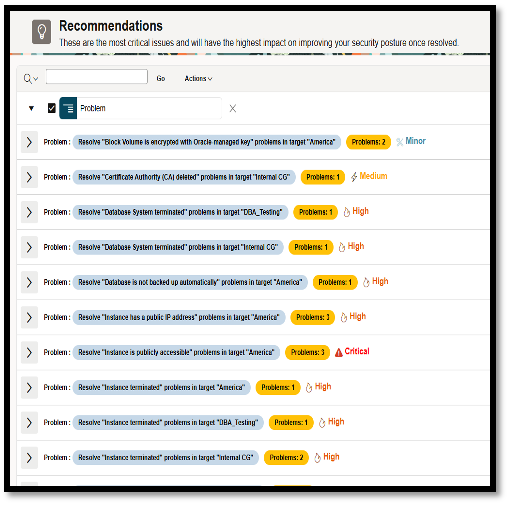
Actionable Security Recommendations
Beyond detection, OAN surfaces the most critical issues that will have the highest impact on your security posture once resolved. Each recommendation includes clear problem count and severity indicators.
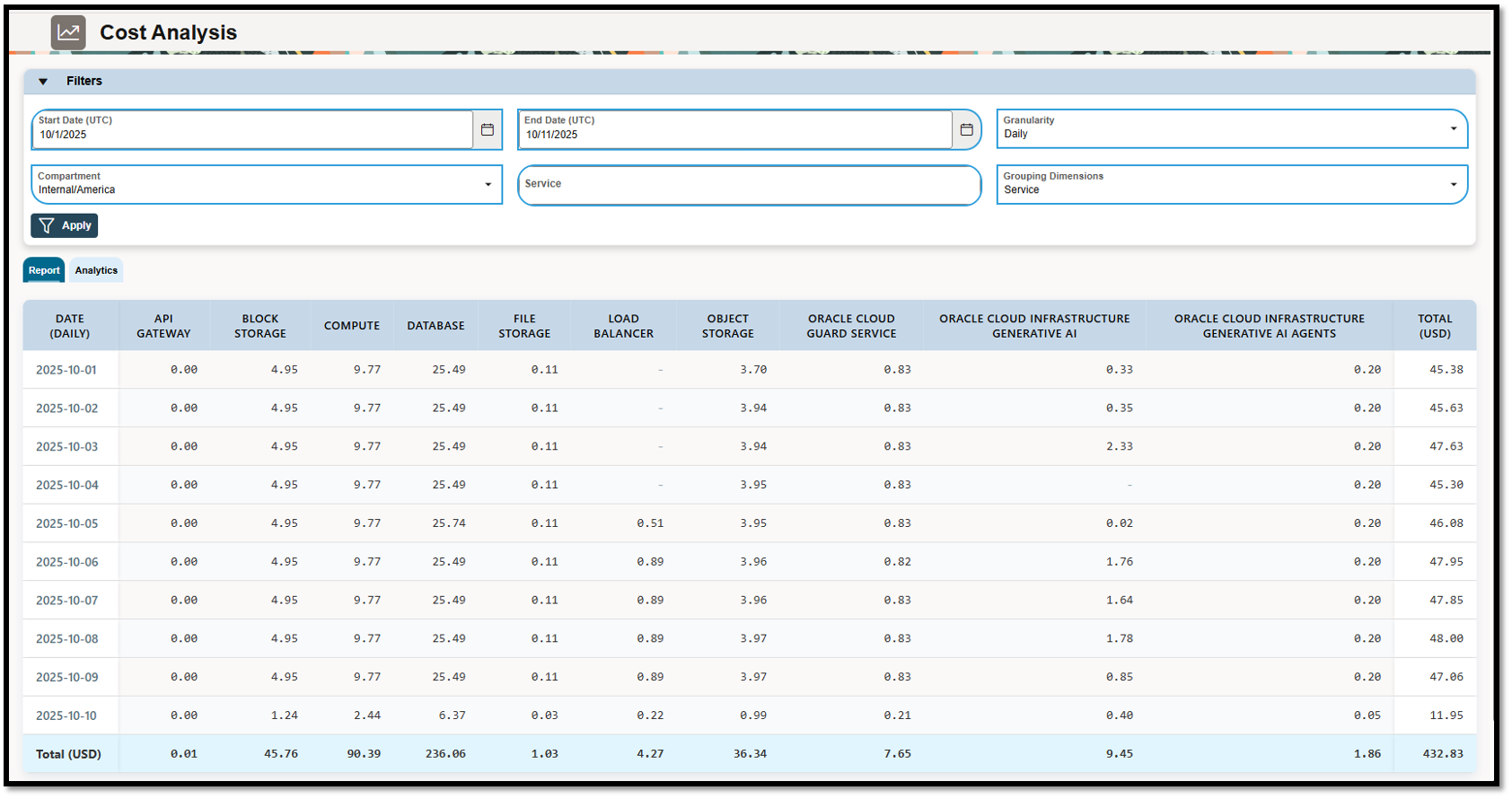
Simplified Cost and Usage Analysis
Real-time daily cost breakdown by service: API Gateway, Block Storage, Compute, Database, File Storage, Load Balancer, Object Storage, Oracle Cloud Guard, and more. Filter by compartment and date range.
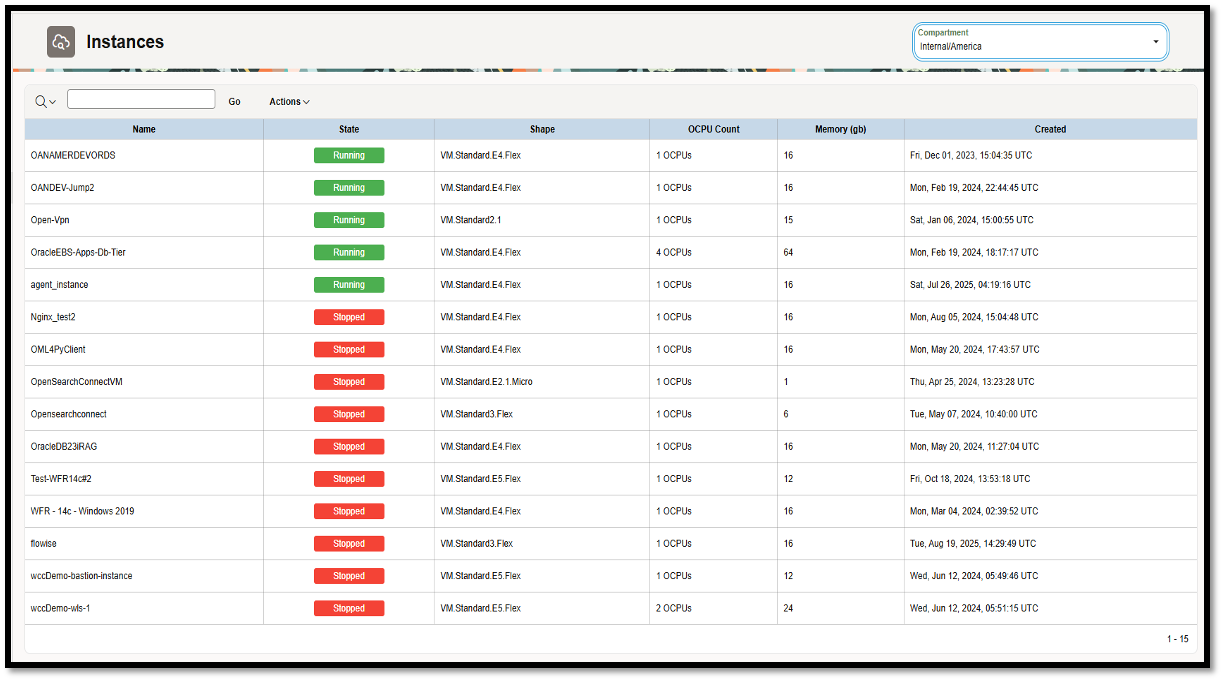
Simplified Resource Management
Track all OCI instances with state, shape, OCPU count, memory, and creation date. Running and stopped instances visible at a glance with compartment filtering.
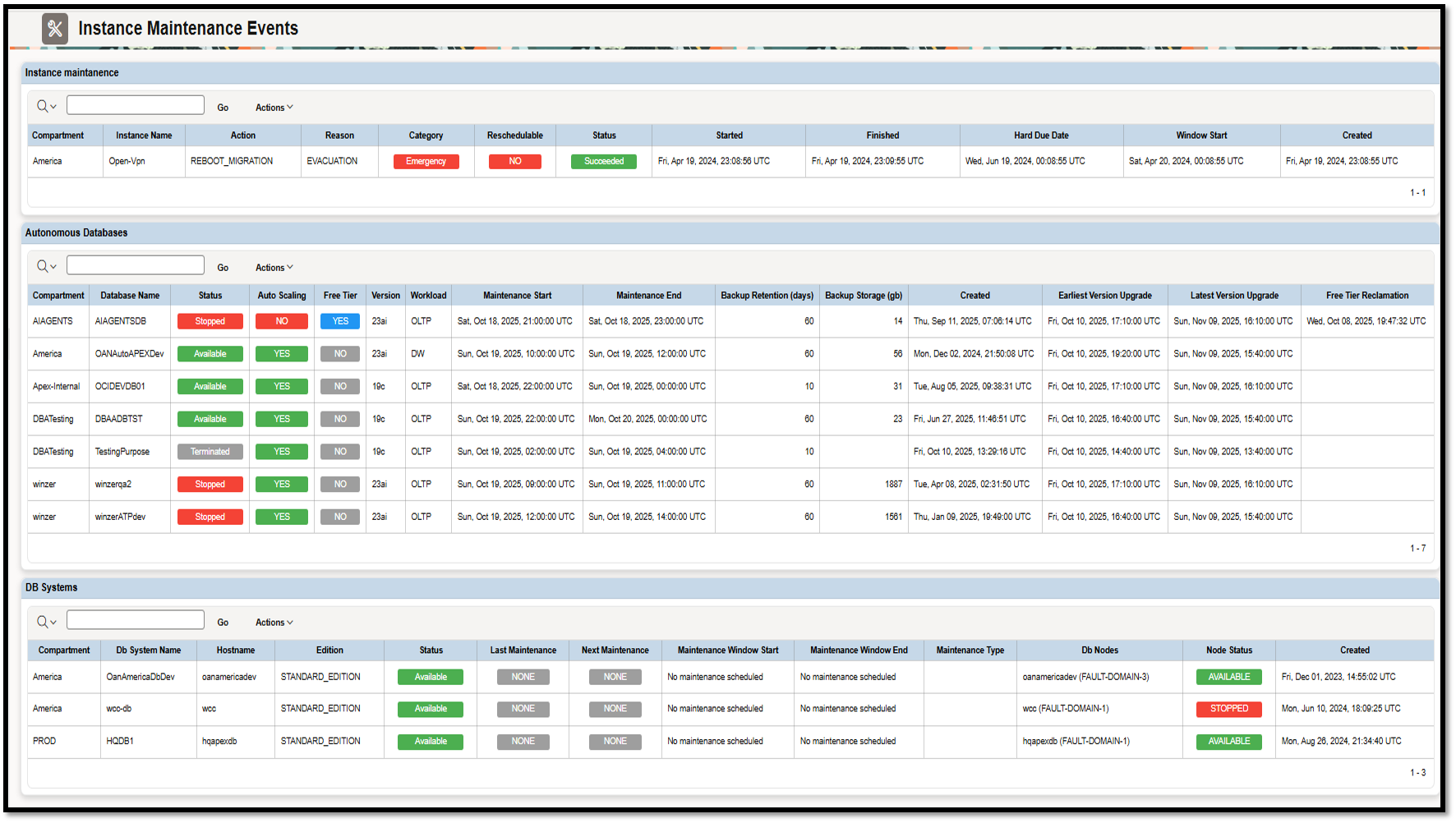
Reduce Downtime Risk
Centralized lifecycle tracking with real-time visibility into instance maintenance events, autonomous database maintenance windows, and DB system status.
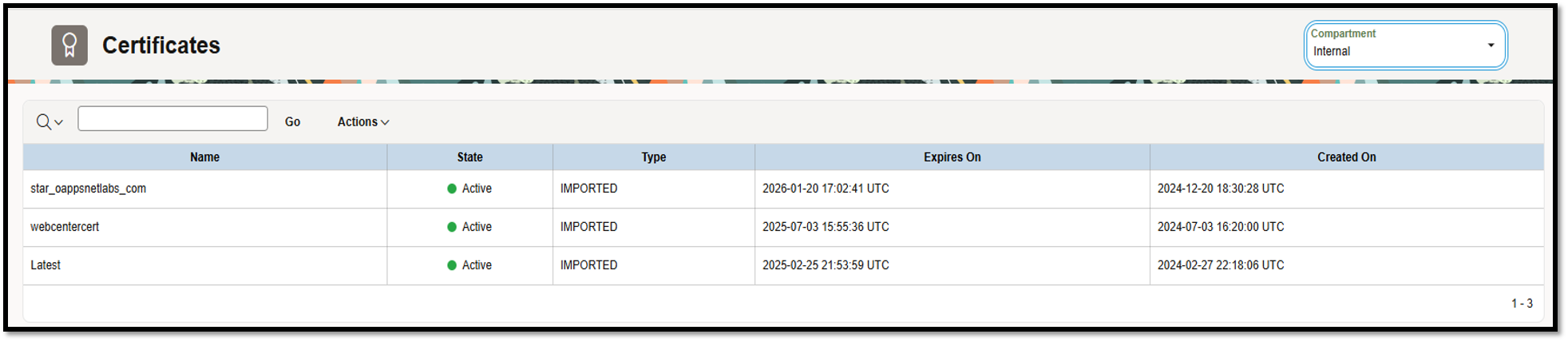
Proactive Certificate and Credential Monitoring
Track SSL certificate expirations with state and creation dates. Monitor database tablespace utilization with allocated, used, and autoextend details. Password and credential expiry tracked in one place.
“We were thrilled with the oAppsNet OAN Platform Monitoring tool. This allows us to be much more proactive rather than waiting for the problem and figuring it out. It was very easy to understand, and issues or potential issues are easily identified. We are excited to use the tool and may expand it beyond oAppsNet implementations.”
Your Pathway to Smarter Solutions
Download our data sheet for a deeper dive into OAN capabilities, or connect with us to discuss how OAN can benefit your organization.
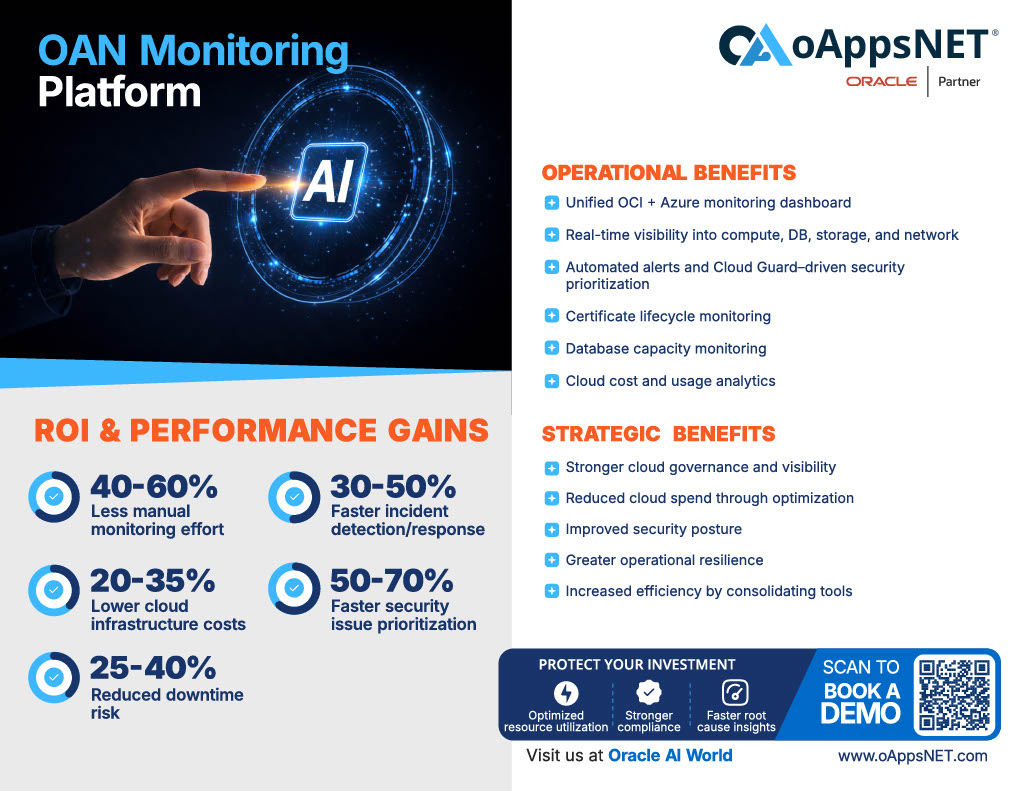
Ready to Simplify Cloud Operations?
See how Platform Monitoring can reduce costs, strengthen security, and give your team complete visibility.
Frequently Asked Questions
Platform Monitoring provides unified visibility across Oracle Cloud Infrastructure (OCI) and Azure, with a single dashboard that consolidates data from both environments.
No. Platform Monitoring deploys seamlessly across any OCI environment without code changes. Configuration is managed securely outside the application with minimal connection parameters.
Real-time daily cost breakdowns by service including Compute, Database, Object Storage, Load Balancer, OCI Gen AI, and more. Filter by compartment and time period for detailed analysis.
Through native Cloud Guard integration, OAN detects and classifies security problems by severity (Critical, High, Medium, Low), provides actionable remediation recommendations, and tracks resolution progress.
Yes. Track autonomous databases and DB systems with status, auto-scaling configuration, maintenance windows, backup retention, storage utilization, and node availability.
Yes. Proactive alerts for SSL certificate expirations, database password expiry dates, and tablespace utilization thresholds — all with countdown timers so your team can act before issues arise.